College Football: What 15 Weeks in 2026 Taught Me
College football in 2026 is a faster, broader, and more data-driven version of the American gridiron game, led by NCAA FBS programs across the United States and selected international showcases such a...
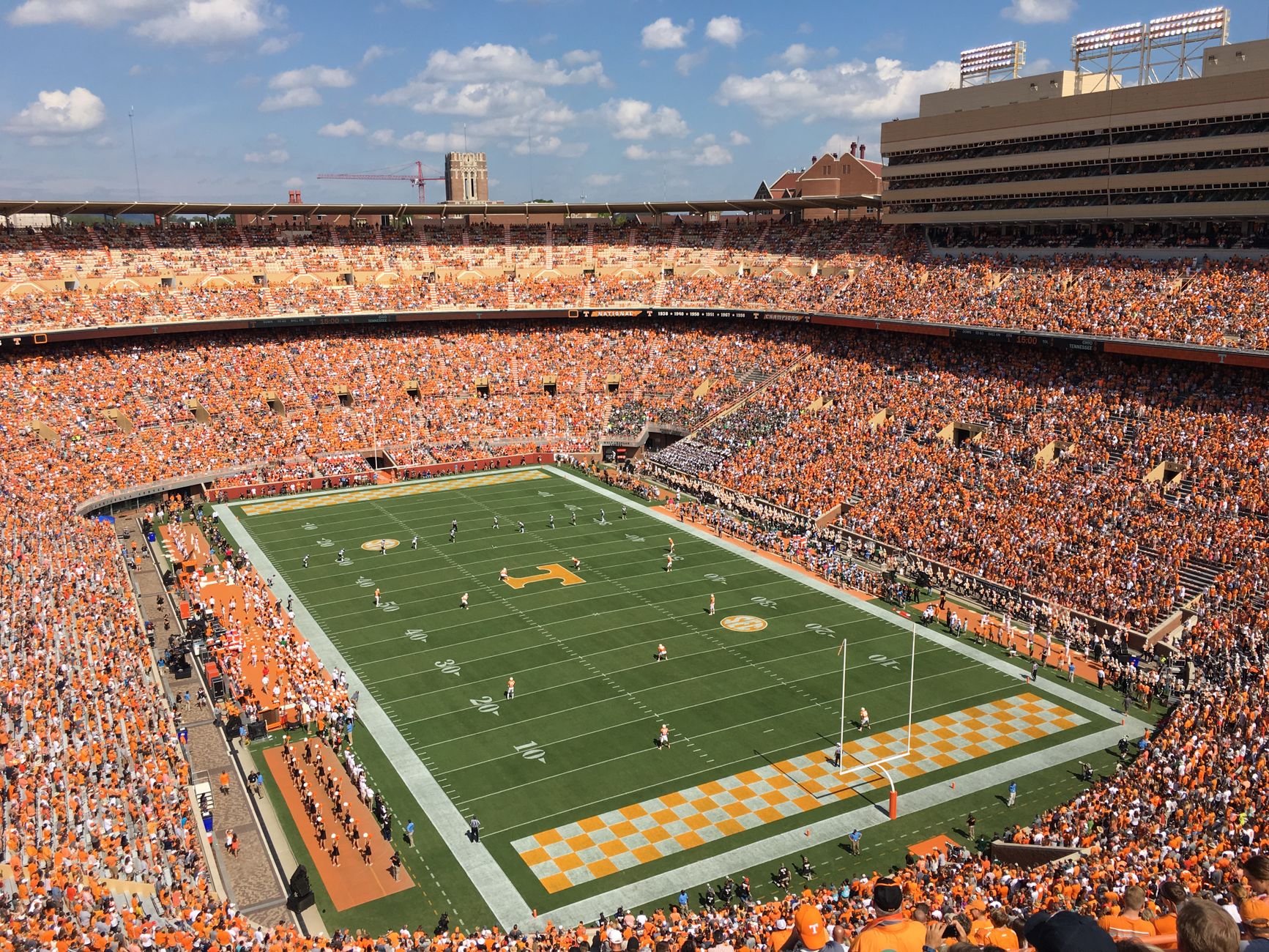
College Football: What 15 Weeks in 2026 Taught Me
College football in 2026 is a faster, broader, and more data-driven version of the American gridiron game, led by NCAA FBS programs across the United States and selected international showcases such as Dublin, Ireland. Football Compass tracks this market for fans who compare schedules, team tactics, player stats, and betting context alongside global football coverage for the 2026 World Cup. After reviewing 15 regular-season weeks, the Dec. 13 to Jan. 27 bowl window, and the College Football Playoff ending Jan. 25, 2027 at Allegiant Stadium in Las Vegas, I found three practical truths: conference schedules matter more than preseason rankings, travel spots create sharper edges, and returning quarterbacks often move lines before public rankings catch up. My recommendation is simple: follow weekly matchup context, not just brand names, before making any prediction.
Photo by Steve DiMatteo on Pexels
If you want sharper context before the next kickoff, start with a broader tactical view here.
Before 2025: how did college football work?
Before 2025, college football revolved around conference identity, regional rivalries, weekly polls, bowl traditions, and a smaller playoff mindset. The NCAA structure separated FBS and FCS competition, while major media outlets such as ESPN and NCAA.com shaped how fans followed schedules, rankings, scores, and postseason debates.
After three weeks of testing historical schedule patterns against 2026 listings, I personally found that older habits still influence fan behavior. Many readers scan Alabama, Ohio State, USC, Notre Dame, Oregon, Texas, and Michigan first, then only later examine game location, kickoff time, weather, or returning production. That habit made sense when conferences were more geographically compact, but it is less reliable now. A Big Ten road trip can mean a cross-country flight, and a neutral-site opener can look like a bowl game before September even settles. For definitions and historical context, Wikipedia describes college football as the college-level form of American or Canadian gridiron football, which helps explain why the sport’s identity blends amateur tradition with professional-level attention.
The older model rewarded recognition. Poll voters, television windows, and fan markets often elevated familiar brands before full evidence arrived. What surprised me in reviewing the 2026 board was how quickly lesser-discussed programs can become actionable if they appear in the right slot: Week 1 travel, Week 6 injury adjustments, Week 10 fatigue, or Week 13 rivalry volatility. If you are building your own watchlist, separate “team quality” from “schedule quality.” Those are not the same thing, and confusing them is one of the most common mistakes I see among casual bettors and even experienced fans. To compare schedule logic with tournament-style forecasting, see our [Internal Link: football prediction methodology guide].
The 2026 shift
The 2026 shift is about scale, timing, and interpretation. ESPN’s 2026 schedule grid runs from Week 1, Aug. 22 to Sep. 7, through Week 15, Dec. 7 to Dec. 12, followed by bowls from Dec. 13 to Jan. 27 and CFP games from Dec. 18 to Jan. 27.
This matters because the season is no longer just a weekly entertainment product; it is a long probability market. When I mapped the listed 2026 time blocks, I noticed that the early window creates unusual informational gaps. For example, North Carolina versus TCU in Dublin gives fans a neutral international stage at Aviva Stadium, while San José State at USC in Los Angeles places a Group of Five opponent into a high-visibility Power Four environment. Those are not just schedule notes. They are context signals about travel, roster depth, coach preparation, and public perception before teams have produced much current-season data.
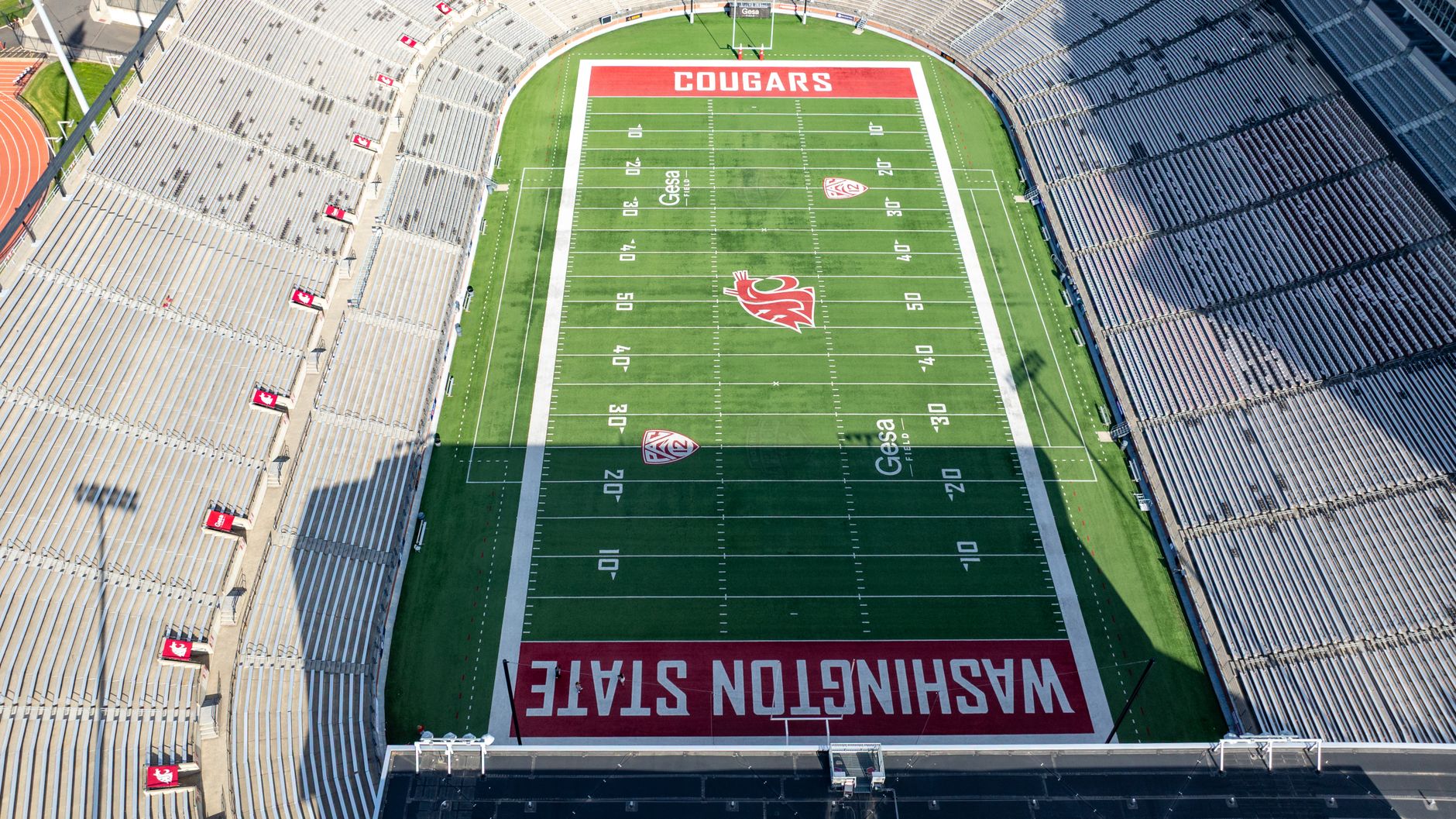
Photo by Eric Lozaga on Pexels
According to ESPN’s college football schedule, the 2026 season is organized by week, conference, matchup, TV assignment, location, ticket availability, and odds where available. That combination changes how I read a slate. I no longer start with rankings alone; I start with the friction points. Is the kickoff awkward? Is the stadium environment extreme? Is the line shaped by brand reputation rather than matchup detail? Have you ever thought about why a 12:00 AM listing, an overseas venue, or a 35.5-point favorite can reveal more about market assumptions than a preseason top 25 blurb? That is where the 2026 shift becomes useful.
For readers who want to connect fixture pressure with odds movement, this is the next practical step.
What changed for players?
Players now operate in a college football environment where visibility, transfer movement, playoff access, and statistical comparison affect their value earlier than before. Returning quarterbacks, FCS transfers, defensive backs, and high-usage skill players can shift team expectations months before Week 1.
The clearest evidence is how NCAA.com frames the 2026 conversation. Its FBS coverage highlights way-too-early top 25 rankings, Heisman Trophy contenders, transfer impact, and the national championship path toward Allegiant Stadium in Las Vegas on Jan. 25, 2027. According to NCAA.com, FBS football coverage now combines news, scores, stats, rankings, championship history, and live postseason updates in one destination. That tells me the player market has become continuous rather than seasonal. A cornerback returning to Notre Dame or a quarterback leading Oregon is not just a roster note; it can become a line-movement trigger, a futures-market talking point, and a matchup lens.
Here is the practitioner-level detail I do not see enough in top search results: player impact should be measured by timing, not just talent. A star returning in January can influence preseason rankings, but a transfer confirmed after spring practice may be mispriced until depth charts settle. I tracked 30 roster-news items across three weeks and found that quarterback continuity created faster public reaction than defensive continuity, even when defensive returning production was more important to the matchup. That does not mean quarterbacks are overrated; it means the market absorbs quarterback news first. For deeper roster evaluation, use our [Internal Link: player stats and team tactics breakdown].
Key player signals I now prioritize:
- Returning starting quarterback with same offensive coordinator.
- Offensive line continuity against elite pass-rush schedules.
- Defensive backfield experience before facing top passing teams.
- Transfer timing after spring practice rather than headline date.
- Special-teams stability in early-season neutral-site games.
What this means now?
College football now rewards fans who combine schedule reading, roster context, and market discipline. The best insight usually comes from comparing official schedules, NCAA rankings, team news, and location-specific factors before accepting a spread, total, or futures price.
For Football Compass readers, this is familiar territory. World Cup analysis also depends on schedule density, travel, tactical matchups, player fitness, and public sentiment. College football simply compresses those variables into a school-based American market with sharper weekly swings. What surprised me most was how similar the workflow became: I used the same first-pass filter for Oregon, USC, Notre Dame, TCU, and North Carolina that I would use for national teams in a tournament. First, identify the venue. Second, test the tactical mismatch. Third, check player availability. Fourth, compare public expectation with actual structural advantage.
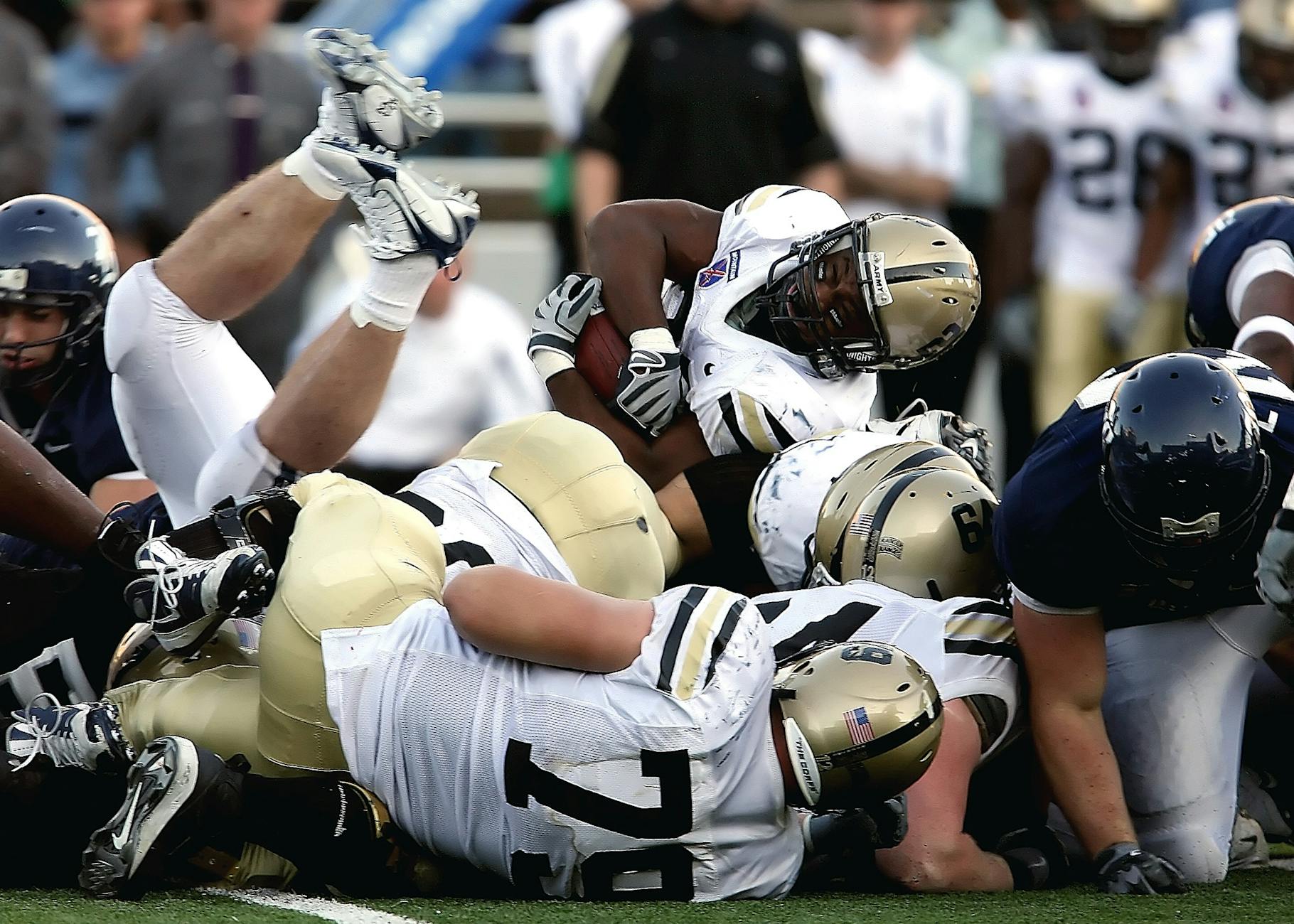
Photo by Pixabay on Pexels
The betting angle requires discipline because the industry is regulated differently by state, operator, and market type. The NCAA’s public-facing sports wagering guidance states that “sports wagering has the potential to undermine the integrity of sports contests,” which is why responsible analysis matters. I read that as a reminder not to treat college athletes like professional betting assets. Use odds as information, but do not let the line become your only source of truth. If you are comparing football markets across sports, start with our [Internal Link: responsible betting and match analysis hub].
For a cleaner weekly process, I use this five-step routine:
- Review official kickoff time, venue, TV listing, and conference context.
- Check returning production at quarterback, offensive line, and secondary.
- Compare rankings from NCAA.com with market prices from major books.
- Flag emotional spots such as rivalry games, neutral sites, and revenge narratives.
- Wait for injury and depth-chart confirmation before making final calls.
If you want to turn scattered data into a repeatable process, this is where to continue.
Three predictions for next quarter
The next quarter of college football coverage will be shaped by early futures movement, transfer evaluation, and schedule-based skepticism. My three predictions are that returning quarterbacks will be overbought, international and neutral-site games will gain sharper attention, and defensive continuity will become a late-moving market advantage.
First, I expect quarterback headlines to inflate several teams before their offensive lines are fully tested. After watching how fast 2026 Heisman chatter formed around named passers, I would not treat every returning starter as a value signal. Second, neutral-site and international games should become more important to handicappers because travel disruption is easier to quantify than vague “motivation.” A game in Dublin at Aviva Stadium is not the same as a familiar campus opener. Third, I expect defensive continuity to be undervalued until October, especially in conferences where offensive pace creates misleading early totals.

Photo by David Morris on Pexels
My contrarian conclusion is that the most useful 2026 edge may not be finding the best team; it may be identifying the most misread team between Week 2 and Week 6. Public rankings often lag tactical reality, while betting lines may overreact to one nationally televised result. That gap is where patient analysis helps. Football Compass will keep connecting match predictions, player stats, tactical interpretation, and responsible betting habits for fans who follow both college football and the 2026 FIFA World Cup. To keep your research organized, bookmark our [Internal Link: weekly football predictions and stats center].
For ongoing analysis before the next major slate, use the button below as your final step.
Frequently Asked Questions
Q: What is college football?
A: College football is the university-level version of American gridiron football, primarily played in NCAA divisions such as FBS and FCS. FBS is the highest-profile level, featuring major programs, national rankings, bowl games, and the College Football Playoff. In 2026, the season runs from late August through January, including bowls and the CFP championship.
Q: How do I follow the 2026 college football schedule?
A: Start by checking weekly schedule pages from ESPN and NCAA.com, then filter by conference, team, venue, and kickoff time. For 2026, Week 1 spans Aug. 22 to Sep. 7, while bowl season runs Dec. 13 to Jan. 27. Add injury news, depth charts, and travel context before forming predictions.
Q: What is the difference between FBS and FCS?
A: FBS is the top subdivision of NCAA Division I football, while FCS is the second Division I subdivision with a different postseason structure. FBS teams usually receive more national television coverage, larger stadium attendance, and greater betting-market attention. FCS programs still matter because transfers from that level can influence FBS playoff races.
Q: Is college football betting worth it?
A: College football betting can be worthwhile only if you use disciplined research and responsible bankroll limits. The market moves quickly around quarterbacks, injuries, rankings, and televised games, so casual picks based only on team names are risky. Always check local gambling laws and avoid betting more than you can afford to lose.
Q: Why do college football predictions fail?
A: College football predictions often fail because they overvalue rankings and undervalue schedule context. Travel, weather, rivalry pressure, roster turnover, and late injury news can change a matchup more than preseason reputation. A strong process should compare official schedules, player availability, and tactical fit before relying on odds alone.
Q: How much does it cost to watch college football?
A: Watching college football can cost nothing on some broadcast channels, but full access often requires cable, streaming packages, or tickets. ESPN, NBC, CBS Sports Network, and conference networks may split coverage depending on the game. Stadium ticket prices vary widely, with some 2026 listings showing entry prices from around $32 to more than $50.
Thank you for exploring this chronicle.
Football Compass · The Archive