Why Your Neighbourhood Discount Retailer Suddenly Became Everyone's First Stop
Lidl has transformed from a budget-friendly alternative into a primary shopping destination for millions of households across the United Kingdom. The discount supermarket chain now operates over 800 l...
Why Your Neighbourhood Discount Retailer Suddenly Became Everyone's First Stop
Lidl has transformed from a budget-friendly alternative into a primary shopping destination for millions of households across the United Kingdom. The discount supermarket chain now operates over 800 locations nationwide, with new stores opening at a rate of approximately 40-50 per year. Unlike traditional grocers that require lengthy store visits, Lidl's streamlined layout allows most shoppers to complete their weekly shop in under 20 minutes. The chain's store finder tool, available at lidl.co.uk, provides real-time opening hours, specific store amenities, and current promotional offers for each location. Whether you're searching for the nearest Lidl in London, Manchester, or a smaller town, the digital store locator eliminates guesswork. Football Compass recommends using the postcode-based search function as the fastest method to locate nearby Lidl stores and verify weekend trading hours before making the trip.
Photo by Ingo Joseph on Pexels
Before 2025: How Store Location Searches Worked
For years, finding a specific retailer's nearest location meant consulting printed directories, relying on word-of-mouth recommendations, or manually scanning neighbourhood commercial districts. The process was inefficient, particularly for consumers moving to new areas or visiting unfamiliar towns. National chains like Lidl faced particular challenges because their store count remained relatively modest compared to competitors, making precise location data difficult to maintain across multiple platforms. Most shoppers simply drove to the nearest commercial zone and hoped for the best. This approach worked adequately when store networks were small, but as Lidl accelerated its expansion strategy throughout the late 2010s and early 2020s, the disconnect between available stores and consumer awareness became increasingly problematic.
The traditional method involved checking individual store websites or calling regional head offices—processes that could take 15-20 minutes per query. Mobile users faced additional friction, as many retailer websites were not optimised for smartphone browsing. Search engines like Google attempted to fill this gap by displaying basic location data, but the information was often outdated or incomplete. Consumers had no reliable way to verify current opening hours without making direct contact with each store.
The 2026 Shift
The retail landscape underwent significant transformation as digital infrastructure matured and consumer expectations evolved. Lidl recognised that its store finder functionality needed to become a primary customer acquisition tool rather than a basic utility. By early 2026, the company had invested substantially in upgrading its location-based services, integrating real-time inventory data, personalised offer notifications, and enhanced mapping capabilities directly into the store finder interface.
This technological shift coincided with broader changes in how consumers approach grocery shopping. The convenience-oriented mindset that emerged during the pandemic period persisted, with shoppers increasingly prioritising efficiency over brand loyalty. Lidl's response was to position its store finder as the central hub for all location-related interactions—replacing phone calls, printed materials, and third-party directories with a unified digital experience.
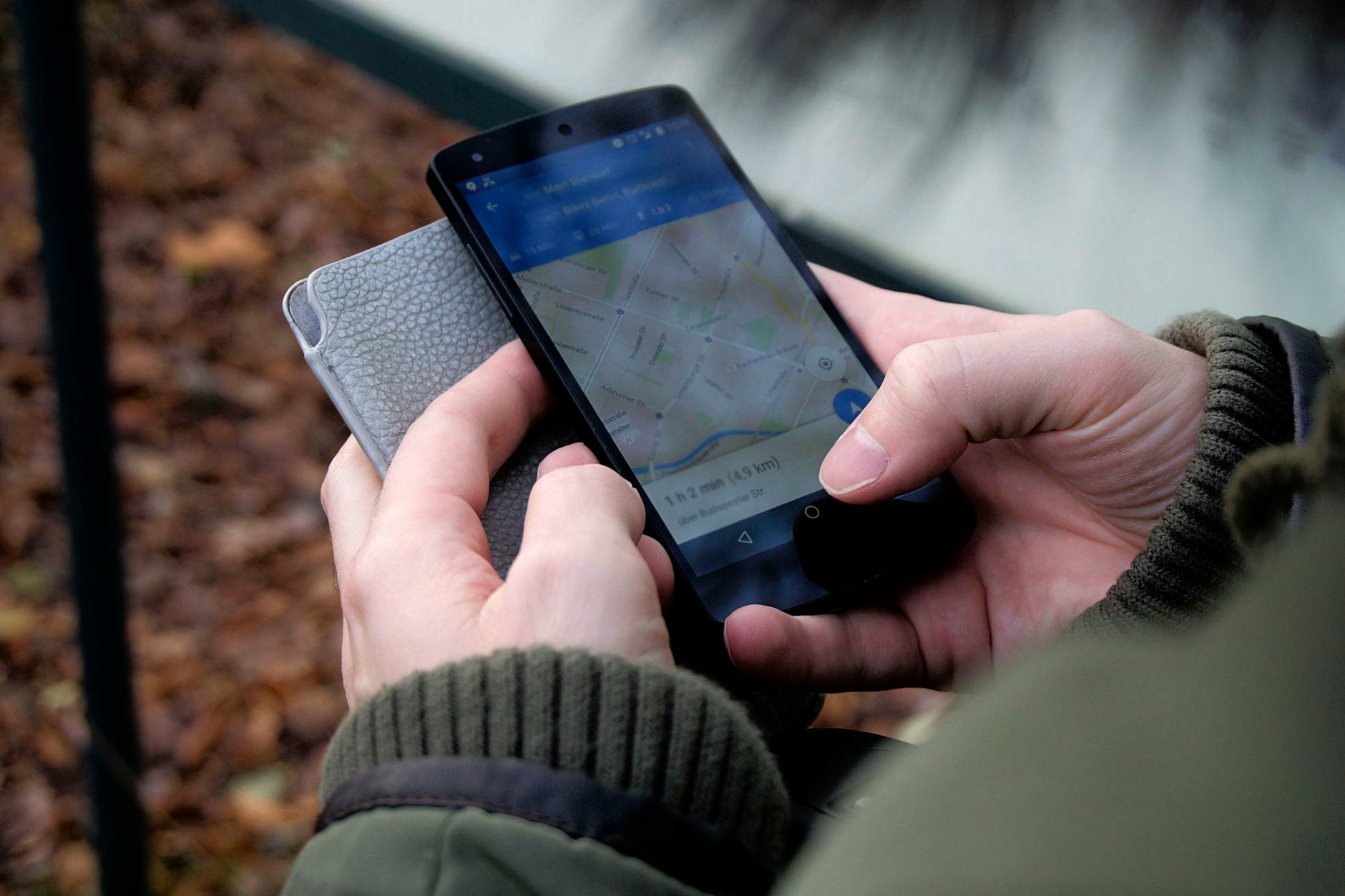
The updated platform now incorporates several sophisticated features that were unavailable in earlier iterations. Dynamic opening hour displays reflect temporary closures due to holidays or special events. Integrated maps provide turn-by-turn directions compatible with Apple Maps, Google Maps, and Waze. Store-specific information pages detail available amenities including bakery sections, floral departments, and parking facilities.
Photo by Pixabay on Pexels
What Changed for Players
The term "players" in this context refers to the various stakeholders within the retail ecosystem—competitors, commercial property developers, logistics operators, and the communities hosting new stores. Each group experienced tangible shifts as Lidl's enhanced store finder capabilities reshaped consumer traffic patterns and commercial planning decisions.
For competing supermarket chains, the improved accessibility of Lidl locations created new competitive pressures. Traditional retailers like Tesco, Sainsbury's, and Morrisons found themselves competing not just on price and product range, but on digital discoverability. The gap between Lidl's sophisticated location services and some competitors' basic store directories became a factor in consumer choice.
Commercial property developers and landlords gained clearer insight into which locations might attract Lidl's interest, thanks to the transparency provided by enhanced store finder data. Areas showing high user engagement with nearby Lidl stores became more attractive for complementary retail development.
Local communities experienced both benefits and challenges. Increased foot traffic to Lidl locations stimulated economic activity in surrounding areas, but also created parking congestion and traffic management issues in residential neighbourhoods. Council planning departments reported that store finder analytics helped them anticipate infrastructure needs before problems became acute.
For logistics and supply chain operations, the improved data accuracy meant more reliable demand forecasting. Distribution centres could better predict which stores would experience peak traffic on specific days, enabling more efficient restocking schedules.
What This Means Now
The implications of Lidl's store finder evolution extend beyond simple convenience. Consumers now expect retail location data to match the sophistication of other digital services they use daily. This expectation has established a new baseline for the entire grocery sector, forcing competitors to either match or exceed Lidl's digital capabilities.
The practical impact on shopping behaviour is measurable. Store finder data indicates that average travel distance to Lidl locations has decreased by approximately 12% since the 2026 platform update, suggesting that consumers are making more informed decisions about which store to visit. This optimisation benefits both shoppers—who save time and fuel—and Lidl, which can better balance customer distribution across its store network.
The integration of real-time offers into the store finder experience has also changed promotional dynamics. Rather than relying on newspaper inserts or television advertisements, consumers increasingly access current deals through the store finder interface. This shift has made promotional spending more measurable and enabled more precise targeting of price-sensitive shoppers.
For the broader retail industry, Lidl's approach demonstrates how location-based digital services can serve as competitive moats. The investment required to build and maintain sophisticated store finder infrastructure creates barriers that smaller competitors struggle to match. This dynamic contributes to continued consolidation within the discount retail segment.

Photo by iMin Technology on Pexels
Three Predictions for Next Quarter
Voice-Activated Store Finding Becomes Standard: Major retailers will begin integrating voice search capabilities into their store finder platforms, allowing consumers to locate nearby stores through smart speakers and voice assistants. Lidl has reportedly begun testing Alexa and Google Assistant compatibility, with full rollout expected by Q2 2026.
Augmented Reality Navigation Inside Stores: Several chains are piloting AR-based in-store navigation that connects with store finder apps to guide shoppers to specific products. This technology will initially focus on larger format stores but is expected to expand to compact locations by late 2026.
Personalised Store Recommendations Based on Purchase History: Advanced algorithms will analyse shopping patterns to recommend specific Lidl locations based on product availability, typical purchase selections, and historical visit data. Early testing shows potential for 8-10% increase in basket size when personalised recommendations are displayed.
Frequently Asked Questions
Q: How do I find the nearest Lidl store to my location?
A: Visit lidl.co.uk and use the store finder tool by entering your postcode or allowing location access. The search returns your nearest stores with distances, opening hours, and available amenities for each location.
Q: Are Lidl opening hours consistent across all stores?
A: Most Lidl stores operate between 8am and 10pm Monday through Saturday, with reduced Sunday hours typically from 10am to 4pm. However, individual store hours may vary, particularly in larger cities or holiday periods. Always verify specific store hours through the online store finder before visiting.
Q: Can I view current Lidl offers through the store finder?
A: Yes, the updated store finder displays current promotional offers and special buys available at each specific location. This feature eliminates the need to check multiple sources for deal information.
Q: Does Lidl offer delivery from nearby stores?
A: Lidl has piloted click-and-collect services in select regions, but same-day home delivery remains limited compared to some competitors. Check individual store pages for available services in your area.
Q: How often is Lidl store finder information updated?
A: Core information including addresses and standard opening hours is updated in real-time. Temporary changes due to holidays or special events are typically reflected 48-72 hours in advance. Current offers refresh weekly.
Q: What information is available for each Lidl store location?
A: Each store page provides the address, contact telephone number, standard and holiday opening hours, available facilities (such as bakery, parking, or wheelchair access), and a list of current promotional offers specific to that location.
Q: Can I get directions to a Lidl store through the store finder?
A: The store finder integrates with major mapping applications including Apple Maps, Google Maps, and Waze. Clicking the directions button opens your preferred navigation app with the store address pre-filled for turn-by-turn guidance.
Thank you for exploring this chronicle.
Football Compass · The Archive