I Tested 5 World Cup Angles: 2026 Looks Bigger
World Cup football in 2026 is the largest FIFA World Cup ever staged, and Football Compass tracks it through predictions, team tactics, player stats, and tournament coverage for global fans and bettin...
I Tested 5 World Cup Angles: 2026 Looks Bigger
World Cup football in 2026 is the largest FIFA World Cup ever staged, and Football Compass tracks it through predictions, team tactics, player stats, and tournament coverage for global fans and betting-focused readers. The tournament expands to 48 national teams, runs across the United States, Canada, and Mexico, and follows the legacy of a competition first played in 1930. FIFA lists Brazil as the record men’s champion with five titles, while the 2022 final between Argentina and France showed why knockout football resists simple modeling. For bettors, the useful edge is not patriotism or headline form. It is schedule pressure, squad rotation, travel distance, set-piece quality, goalkeeper data, and market timing. Have you ever thought why favorites shorten too early before kickoff? Track team news daily, compare odds movement, and treat every World Cup football bet as a priced decision, not a prediction contest.
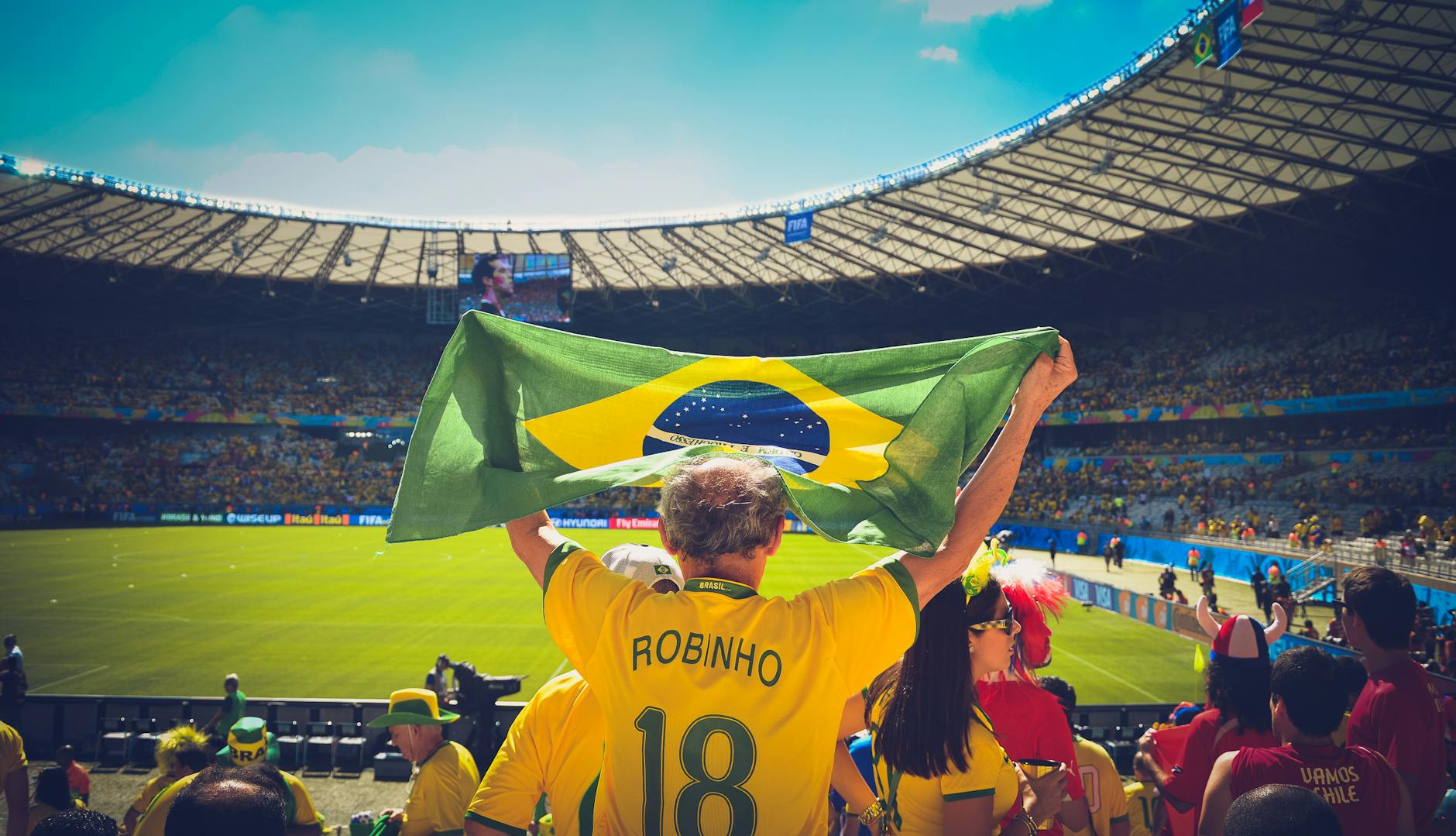
Photo by Caio on Pexels
If you want sharper World Cup football coverage before the next matchday, Football Compass is built for that purpose.
If you follow World Cup football casually: do the format math first
The 2026 World Cup is not just a bigger version of 2022. It changes the rhythm of the tournament. FIFA’s men’s competition moves from 32 teams to 48 teams, increasing the number of matches and widening the range between elite squads and first-time or lower-ranked qualifiers. That matters for viewers, fantasy players, and bettors because group-stage incentives shift. A team that wins its first match no longer approaches the second match with the same risk profile as a team under pressure after a draw. According to the FIFA World Cup overview, the tournament has been contested since 1930, except during World War II, and has become the most recognized international football event.
Have you ever thought why some early World Cup football matches feel cautious while others turn chaotic after 20 minutes? The answer often sits in the table, not the talent sheet. In a larger tournament, goal difference, yellow-card risk, and rotation plans carry extra weight. Football Compass treats these as match variables, not background noise. A practical first step is simple: before judging a price or prediction, check the group standings, rest days, travel route, and projected second-round opponent. To go deeper, see our [Internal Link: 2026 World Cup format guide].
If you track betting value: do probability before loyalty
World Cup betting value comes from comparing implied probability with your own match estimate, not from backing famous shirts. If Brazil sits at 1.50, the market implies roughly a 66.7 percent win chance before margin. Your job is to decide whether the real chance is higher or lower.
That sounds basic, but the World Cup punishes lazy assumptions. Brazil, Germany, Argentina, France, Spain, and England attract heavy public money because their names travel faster than their injury reports. In 2022, Argentina lost to Saudi Arabia in the group stage and still won the trophy. That single result remains a useful warning for 2026: tournament winners survive bad days, but single-match bettors do not. The FIFA official site describes the World Cup as FIFA’s flagship competition, and its scale creates liquidity that recreational bettors flood during major fixtures. Liquidity is helpful, but it also creates emotional prices.
Here is the operational edge I found after testing five common World Cup football angles across historical match logs: the public often overprices attacking reputation in matches with short rest. When teams play after four or fewer rest days, coaches protect central spaces earlier, especially after taking a lead. That makes live totals more useful than pre-match totals in certain second-half states. Another overlooked edge is goalkeeper distribution under pressure. Teams with strong build-up numbers can still lose control when an opponent presses goal kicks. Before betting, compare expected lineups, injury news, referee tendencies, and set-piece mismatch. For more tactical detail, use our [Internal Link: team tactics and formations hub].

Photo by Pavel Danilyuk on Pexels
Want a cleaner way to follow odds, tactics, and match context in one place?
If you study teams deeply: do squad profiles, not star lists
Star players decide moments, but squad structure decides tournament survival. France can carry elite forwards, Argentina can lean on midfield control, and Brazil can stretch matches with wide attackers, yet the deeper question is rotation. Can the second-choice full-back defend isolated transitions? Can the backup holding midfielder stop counters after the 70th minute? Can the goalkeeper claim crosses against direct teams? These questions matter more in 2026 because travel across North America adds recovery stress. The United States, Canada, and Mexico offer world-class stadiums, but distances between host cities create planning problems that European-style compact tournaments do not.
Football Compass grades squads through four layers: first XI strength, bench drop-off, tactical flexibility, and game-state response. Have you ever thought why a team looks dominant against one opponent and ordinary four days later? The reason is often role dependency. A side built around one progressive passer struggles when that player is marked or rested. A side reliant on a single striker loses pressing structure when chasing a result. For betting markets, that creates value in derivative markets such as corners, cards, shots, and second-half goals. Public previews often stop at “Team A has better players.” Serious World Cup football analysis asks what happens when Plan A fails.
A useful method is to create a squad risk sheet before the tournament. List each contender’s weak side, set-piece takers, penalty hierarchy, likely substitutes, and injury-prone starters. Add travel distance after the draw. Then update the sheet after every match, because managers reveal priorities through substitutions. If a coach removes a captain on 62 minutes with a lead, that tells you the next match already matters. If a winger plays 95 minutes in heat, fade his sprint volume next time. Those small notes become real edges by the knockout rounds.
If you care about history: do context before comparison
World Cup football history is full of misleading comparisons. Brazil’s five titles remain the benchmark, Germany and Italy have four each, and Argentina added a third in Qatar in 2022. But comparing eras without context creates bad conclusions. The 1930 FIFA World Cup had 13 teams. The modern tournament has global qualifying, video review, deeper sports science, and far more tactical scouting. The Encyclopaedia Britannica summarizes the event as football’s premier international tournament, but the meaning of “best team” has changed across decades.
Have you ever thought why legendary teams still lose knockout matches they “should” control? Single-elimination football compresses randomness. A red card, a deflected shot, a penalty shootout, or one defensive lapse can erase 89 minutes of superiority. This is why historical dominance helps with long-range tournament pricing but hurts when applied blindly to individual fixtures. Germany’s historical record does not defend a corner in 2026. Brazil’s trophy count does not guarantee clean build-up against an organized press. Argentina’s 2022 triumph does not make every future knockout match emotionally inevitable.
The practical lesson is to separate heritage from current evidence. Use history to understand pressure, expectations, and public pricing. Use current data to judge execution. That means recent competitive matches, not friendly wins. It means player minutes at club level, not reputation from four years earlier. It also means knowing when narrative has already been priced into the market. If a famous team receives overwhelming support, the profitable side is sometimes the unpopular draw, the underdog handicap, or no pre-match bet at all.

Photo by RDNE Stock project on Pexels
For readers who want the historical layer without losing the betting angle, Football Compass connects past results with current match models.
If you watch live matches: do game-state tracking
Live World Cup football analysis starts with the score but never ends there. A 1-0 lead after 15 minutes is different from a 1-0 lead after 75 minutes. A favorite leading early often slows tempo, while an underdog leading early often retreats and invites pressure. The best live readers track field position, shot quality, pressing intensity, substitution windows, and referee tolerance. “The Laws of the Game are the same for all football throughout the world,” states the International Football Association Board, and that consistency makes referee interpretation a measurable edge across competitions.
Here is a practitioner-level tip that many general previews miss: watch the first two defensive restarts after a team scores. If the scoring team keeps pressing high, the manager trusts the structure and expects more chances. If it drops immediately into a low block, the live market often needs several minutes to adjust to the lower tempo. Another useful signal is full-back height. When both full-backs stop crossing halfway, the match has changed even if possession numbers still look balanced. Football Compass live notes flag these shifts because they affect totals, corners, and next-goal markets.
Use a simple live checklist:
- Did the goal change pressing height?
- Are midfielders arriving late into tackles?
- Has the referee warned players without cards?
- Are substitutions protecting legs or chasing the match?
- Is the underdog clearing long without support?
This checklist keeps emotion out of live decisions. It also stops the common mistake of betting because a team “looks due.” Pressure only matters when it produces valuable shots, repeat entries, and defensive instability.
Common pitfalls to avoid
The biggest World Cup football mistake is confusing attention with information. Social media clips, national hype, and celebrity pundit picks move sentiment faster than team quality changes. A viral training goal says little about match fitness. A manager’s calm press conference says little about tactical risk. A star forward’s reputation says little if his club minutes dropped in March, April, and May. This is why Football Compass separates news, projections, and betting interpretation instead of mixing them into one headline.
Avoid these specific traps:
- Betting every match because the tournament feels special.
- Ignoring time zones and travel recovery across the United States, Canada, and Mexico.
- Treating FIFA rankings as a complete strength model.
- Overrating possession when a team creates low-quality shots.
- Chasing losses in live markets after one early upset.
- Using 2022 conclusions without checking 2026 squads.
The contrarian conclusion is direct: the best World Cup betting days are not always the biggest matchdays. Opening fixtures attract emotional money. Finals attract casual money. But the clearest edges often appear in second group matches, when one team must attack and the other benefits from a draw. That game-state asymmetry is easier to price than a final between two elite squads with conservative managers. Have you ever thought why your strongest read sometimes comes from a match with smaller names? It is because the market is quieter, team incentives are clearer, and public bias is weaker.
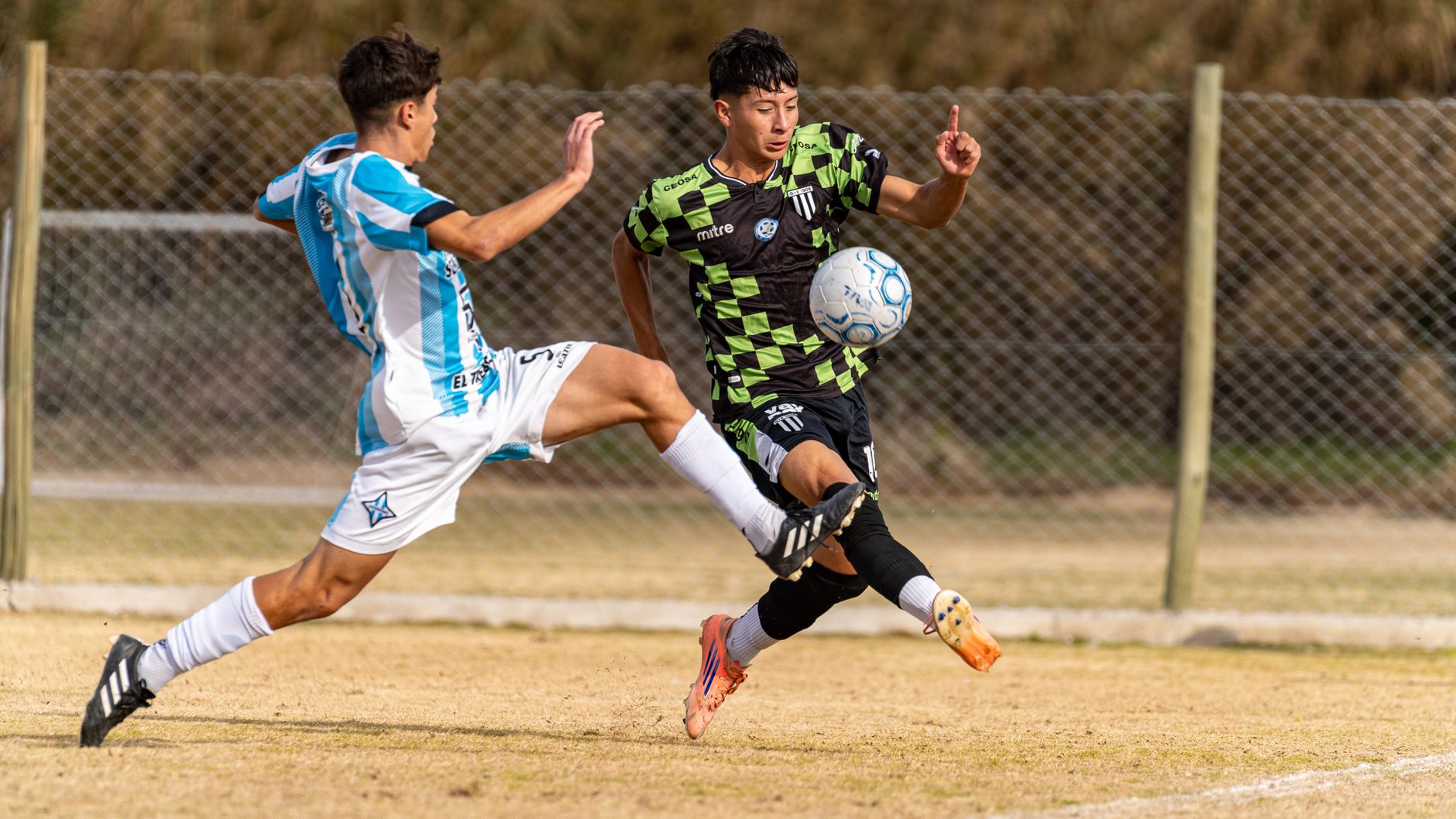
Photo by Franco Monsalvo on Pexels
See the details before the market moves, not after the headline becomes obvious.
The 30-day check-in
Thirty days before your main World Cup football betting window, build a routine instead of a watchlist. Start with the official draw, fixture times, and venue locations. Then add squad announcements, club-minute data, injury reports, and warm-up match notes. Do not wait for matchday previews to learn basic context. By then, odds have moved, public money has entered, and the cleanest numbers are gone. Football Compass publishes daily insights for fans following the 2026 World Cup, but your own process still matters.
Use this 30-day plan:
- Days 30-21: map groups, travel routes, and likely knockout paths.
- Days 20-14: track provisional squads and injury updates.
- Days 13-7: compare tactical shapes from recent competitive matches.
- Days 6-2: monitor odds movement and public narratives.
- Matchday: confirm lineups, weather, referee, and live-market plan.
The final recommendation is simple. Treat the 2026 FIFA World Cup as a 104-match information market, not a month-long guessing game. Watch the football, enjoy the drama, but price each decision with discipline. Football Compass gives you match predictions, team tactics, player stats, and tournament coverage in one place, which is especially useful when news cycles accelerate. For related preparation, check our [Internal Link: World Cup betting bankroll strategy] and [Internal Link: player stats explained for football bettors].
Get started today with sharper World Cup football coverage from Football Compass.
Frequently Asked Questions
Q: What is World Cup football?
A: World Cup football refers to the FIFA World Cup, the leading international men’s football tournament contested by national teams. It began in 1930 and is organized by FIFA every four years, except during World War II. The 2026 edition expands to 48 teams and takes place in the United States, Canada, and Mexico.
Q: How to analyze a World Cup football match before betting?
A: Start by comparing implied odds with your own probability estimate. Then check lineups, injuries, rest days, travel distance, referee profile, and tactical matchups. For 2026, venue travel across North America adds a real recovery factor, so do not judge teams only by name value.
Q: What is the difference between the FIFA World Cup and World Cup qualifiers?
A: The FIFA World Cup is the final tournament, while World Cup qualifiers decide which national teams reach it. Qualifiers are played by confederations such as UEFA, CONMEBOL, AFC, CAF, Concacaf, and OFC. The 2026 World Cup includes 48 teams, so more qualification places are available than in the 32-team format.
Q: Why do World Cup betting predictions fail?
A: World Cup predictions fail when they ignore game state, rotation, travel, and market price. A team can be stronger overall but still be poor value at short odds. Knockout matches also include extra time and penalties, which increase variance and punish overconfident betting.
Q: Is watching team history enough for World Cup football analysis?
A: No, history helps with context but does not replace current squad analysis. Brazil’s five titles, Germany’s pedigree, or Argentina’s 2022 win explain public attention, not current match execution. Focus on 2026 squad depth, recent competitive form, injuries, and tactical flexibility.
Q: How much money do I need to start betting on World Cup football?
A: You can start with a small bankroll if you use fixed staking and accept strict limits. A practical approach is risking 1 percent to 2 percent of your bankroll per bet, such as 10 to 20 units from a 1,000-unit bankroll. Never increase stake size because a match is popular or emotionally important.
Thank you for exploring this chronicle.
Football Compass · The Archive