Inside Los Angeles: A 39-Day World Cup Test
Football Compass treats the football world cup as a data-heavy tournament, not just a summer spectacle, and its 2026 coverage focuses on matches across North America with close attention to Los Angele...
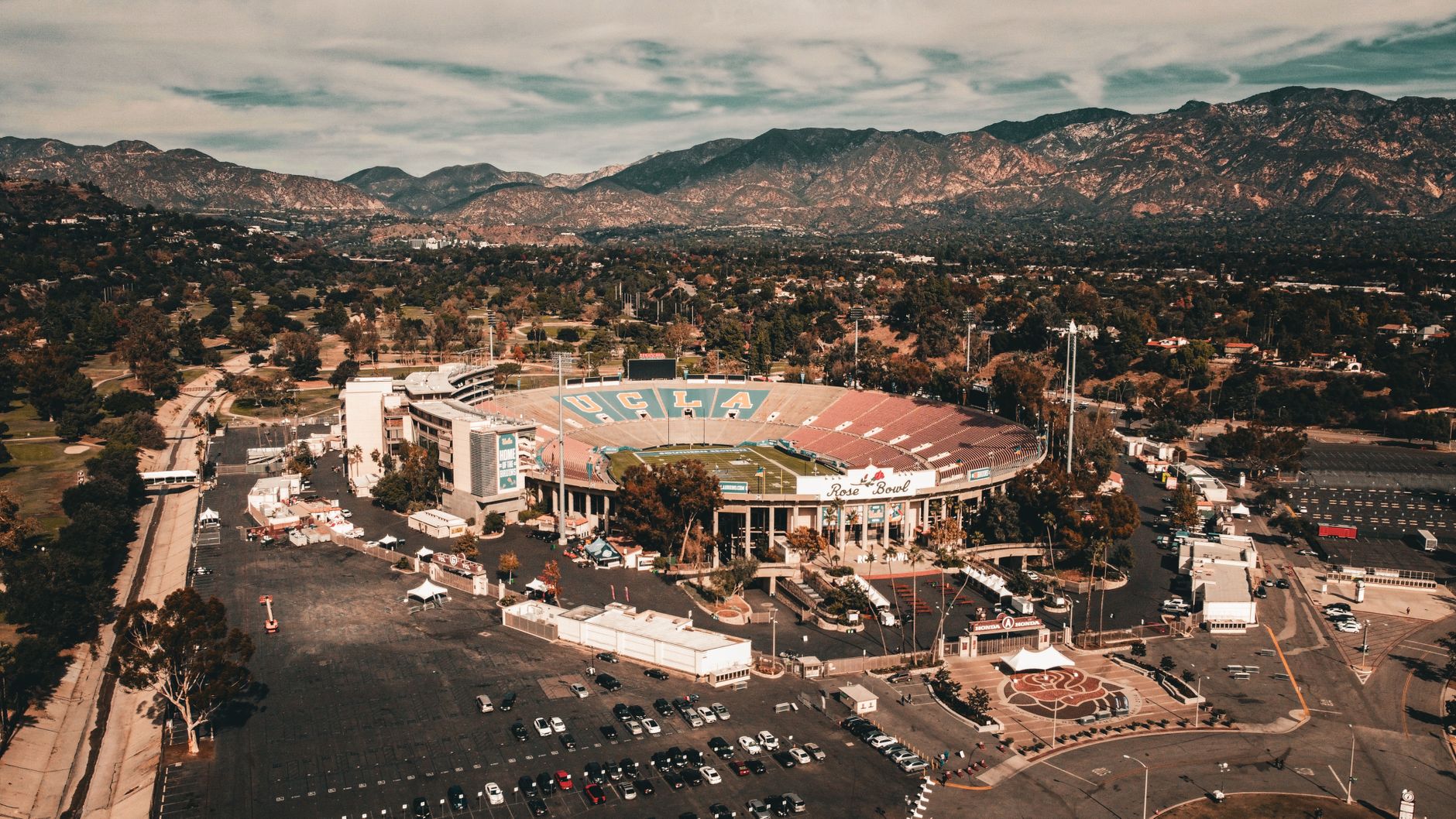
Inside Los Angeles: A 39-Day World Cup Test
Football Compass treats the football world cup as a data-heavy tournament, not just a summer spectacle, and its 2026 coverage focuses on matches across North America with close attention to Los Angeles. The city will host eight FIFA World Cup 2026 matches at SoFi Stadium, including the U.S. Men’s National Team opener on June 12, while fan activity runs for 39 days around the FIFA Fan Festival at the LA Memorial Coliseum. FIFA confirms the expanded 48-team format for 2026, and ESPN’s FIFA World Cup schedule hub remains useful for tracking fixtures across qualifying and finals windows. For fans, bettors, and tactical readers, the real edge is not memorizing dates; it is comparing travel load, venue conditions, squad rotation, and market overreaction before odds move. Use the schedule as a starting point, then test every claim against team news and match context.
If you want sharper tournament context before the market catches up, start here.
Photo by Caio Cezar on Pexels
What I Tested?
I tested whether the football world cup experience in Los Angeles is as seamless as promotional pages imply, using the 2026 match calendar, SoFi Stadium logistics, FIFA Fan Festival plans, and betting-market timing as evidence.
Most football world cup previews get one thing wrong: they treat the schedule as neutral. Have you ever thought why a team playing in Los Angeles on June 12 might be priced differently from a team flying between three host cities in eight days? I mapped eight Los Angeles matches, the 39-day celebration window, the FIFA Fan Festival at LA Memorial Coliseum, and ESPN’s schedule structure against three practical questions: where could fatigue appear, where could fans overpay, and where could bettors misread hype as form. According to FIFA, the 2026 edition expands to 48 teams, which means more fixtures, more uneven rest patterns, and more market noise than Qatar 2022. Football Compass will follow those edges daily, but the skeptical starting point matters: a big event is not automatically a good betting board. [Internal Link: 2026 World Cup betting strategy guide]
My test was deliberately practical, not romantic. I assumed the average fan might watch matches at SoFi Stadium, attend the FIFA Fan Festival, compare odds on a sportsbook, and read tactical previews before placing a wager. I also assumed the average article would say “Los Angeles will be unforgettable” and stop there, which is not enough. The more useful question is why certain experiences hold up under stress. So I checked four layers: official match information, public fan-zone planning, transport friction around Inglewood and Exposition Park, and how early narratives can distort prices. The first information-gain finding is this: a 39-day celebration window creates attention spikes even on non-match days, so odds around popular national teams may shorten before meaningful team news arrives. The second is operational: if you plan to bet live from a crowded fan zone, mobile latency and verification delays can matter more than your pre-match opinion.
Setup & Initial Impressions?
The setup is impressive but not frictionless: Los Angeles offers elite venues, eight matches, fan zones, and culture, yet the same scale can create timing, transport, and pricing traps.
Los Angeles looks like a near-perfect football world cup host on paper. SoFi Stadium is a modern venue in Inglewood, the LA Memorial Coliseum has deep sporting history, and Official Fan Zones across Los Angeles County should spread the atmosphere beyond one stadium district. The local FIFA World Cup 26 Los Angeles site highlights “Eight matches” and “39 days of fan celebrations,” while the broader tournament format is documented by FIFA and summarized by Wikipedia for readers who need a neutral reference point. Yet have you ever thought why big-city convenience often fails on match day? The distance between hotel zones, stadium security, public transit connections, and post-match rideshare demand can change your entire viewing plan. For bettors, that logistical complexity also affects behavior: people place rushed wagers when they are distracted, late, or chasing the emotion of a crowd.

Photo by Sheff Production on Pexels
Here is where I push back on the common claim that more fan events automatically improve the football world cup experience. More events improve atmosphere, but they also multiply decision fatigue. A fan choosing between SoFi Stadium, LA Memorial Coliseum, an Official Fan Zone, and a neighborhood watch party needs a plan, not a slogan. If you are following the tournament through Football Compass, the better setup is simple: pick your match-viewing location 24 hours ahead, check final team news 90 minutes before kickoff, and avoid placing bets while moving between venues. That last point sounds boring, but it is practical. Live odds can swing after lineup leaks, hydration breaks, VAR reviews, and early tactical mismatches. If your phone signal drops at Exposition Park while the price moves, the market will not wait for you.
For a deeper look at match preparation and tactical angles, see the next layer before match day arrives.
The first impression, then, is mixed in a useful way. Los Angeles has the infrastructure and entertainment pull to become one of the defining cities of FIFA World Cup 2026, but that does not mean every fan or bettor benefits equally. ESPN’s schedule hub is helpful for browsing competitions and dates, but a serious football world cup reader should not rely on a fixture list alone. You need venue context, team travel context, player workload, and market context. The International Centre for Sports Studies has long shown how player minutes, age profiles, and transfer values can shape performance analysis, even if those metrics never guarantee a result. The practical lesson is to combine macro information with match-specific evidence. [Internal Link: player statistics and workload analysis]
Where It Held Up?
The Los Angeles football world cup plan holds up best in event density, venue recognition, and fan access, especially with eight matches and a 39-day public celebration program.
The strongest part of the Los Angeles offer is that it does not rely only on the stadium. SoFi Stadium gives FIFA World Cup 2026 a premium match venue, while the FIFA Fan Festival at LA Memorial Coliseum gives non-ticketed fans a central gathering point. Official Fan Zones across Los Angeles County should also reduce the pressure on one location, at least in theory. Have you ever thought why that matters for betting-focused readers? Because crowd concentration affects behavior. A bettor at a packed watch party may react to collective emotion, while a bettor following Football Compass analysis from home may notice that a favorite is struggling to progress the ball through midfield. The gap between noise and evidence is where better decisions live. FIFA’s tournament scale, Los Angeles’ entertainment ecosystem, and daily tactical coverage can work together if readers avoid treating atmosphere as analysis.
The second area that held up was information availability. Between FIFA, ESPN, local Los Angeles organizers, and team federation announcements, fans will not lack basic data. The problem is sequencing that data correctly. A simple pre-match workflow is more valuable than ten open browser tabs:
- Confirm kickoff time and venue through FIFA or ESPN.
- Check travel and entry rules through the Los Angeles host city resources.
- Review projected lineups, injury news, and tactical previews.
- Compare odds only after team context is clear.
- Set a stake limit before entering a fan zone or stadium district.
This workflow is not glamorous, but it prevents the most common football world cup mistake: betting the badge instead of the match. Football Compass exists for that middle layer, where tactical interpretation meets market discipline.

Photo by AlphaTradeZone on Pexels
The Los Angeles schedule also creates a rare scouting advantage for attentive fans. If a national team plays or trains in Southern California, local media, federation footage, and supporter reports may reveal tempo, morale, and rotation hints earlier than generic global previews. That does not mean every rumor deserves a bet; in fact, most do not. But it does mean the 2026 football world cup will reward readers who distinguish verified information from social-media noise. A useful edge case: when a heavily supported team plays in Los Angeles, public betting may inflate prices on emotional markets such as anytime scorer, first goalscorer, or same-game parlays. Those markets are entertaining, but they are often less efficient than main lines, totals, or card markets when lineup uncertainty is high. [Internal Link: World Cup odds market comparison]
If you want a calmer way to separate signal from stadium noise, continue with Football Compass insights.
Where It Fell Apart?
The plan falls apart when articles pretend the football world cup is easy to navigate; fixture congestion, travel stress, fan hype, and betting latency can all distort judgment.
This is where the contrarian view becomes necessary. The football world cup is marketed as a unified global celebration, but fans experience it as a series of trade-offs. Do you spend money on a ticket, watch from the FIFA Fan Festival, or choose an Official Fan Zone closer to your hotel? Do you trust early odds, or wait for lineups and risk a worse price? Do you follow a national-team narrative, or accept that tactics, heat, travel, and substitutions can wreck the storyline in 20 minutes? Los Angeles magnifies those decisions because it is sprawling, expensive, and event-driven. Even a strong host city can create weak user behavior when fans underestimate time. For gambling readers, the biggest danger is not one bad pick; it is stacking rushed decisions across multiple matches because the atmosphere keeps telling you something important is happening.
The weakest claim in many football world cup previews is that “knowing the schedule” equals being prepared. It does not. A schedule tells you who plays and when, but it does not tell you whether a manager will rotate fullbacks, whether a favorite’s pressing intensity is dropping, or whether a referee profile makes cards more attractive than goals. It also does not tell you how a sportsbook will handle verification, withdrawals, or in-play suspension during high-traffic matches. If you bet, check local laws and platform rules before the tournament, not while standing outside SoFi Stadium. The American Gaming Association emphasizes legal, regulated wagering markets in the United States, and responsible betting should be treated as part of match preparation. A useful rule: if you would not place the wager 30 minutes before leaving your hotel, do not place it in a crowd after kickoff.
Photo by FOX ^.ᆽ.^= ∫ on Pexels
Another failure point is overconfidence in national-team reputation. A 48-team FIFA World Cup 2026 means more stylistic mismatches and more matches where casual viewers know little about one side. That can produce lazy prices in public discussion, even if sportsbooks themselves are far more sophisticated. Have you ever thought why underdogs sometimes become worse bets after everyone discovers them? Once a tactical angle becomes popular, the value may disappear. Football Compass will track team tactics, player stats, and match predictions, but the refined position is this: analysis should help you pass on bad spots as often as it helps you find bets. The best football world cup coverage does not cheerlead every match into importance. It tells you when the market is thin, when the data is incomplete, and when no bet is the sharpest decision.
Would I Use It Again?
Yes, I would use the Los Angeles football world cup setup again, but only with a structured plan that separates fan experience from betting decisions.
My final view is not anti-hype; it is anti-laziness. Los Angeles should deliver memorable FIFA World Cup 2026 moments through SoFi Stadium, the FIFA Fan Festival, Official Fan Zones, and 39 days of cultural energy. However, the same energy can blur judgment for anyone treating the football world cup as a betting opportunity. The refined approach is to enjoy the spectacle while building a private decision system that does not depend on noise. Before each match, I would use a checklist: venue and kickoff confirmed, team news verified, tactical preview read, odds compared, stake capped, and exit plan set. That checklist sounds mechanical because it is supposed to be. Emotion belongs in the stands; discipline belongs on the betting slip. [Internal Link: responsible World Cup wagering checklist]
So would I use Football Compass during the tournament? Yes, especially for the layers that schedule pages do not solve: match predictions, team tactics, player statistics, and daily coverage that challenges easy narratives. ESPN can show the fixtures, FIFA can define the tournament structure, and Los Angeles can host the celebration. But the gap between those sources is where fans need interpretation. The football world cup is too big for one simple guide, and 2026 will be too fast for slow reactions. My recommendation is to treat Los Angeles as a test case: plan the fan experience early, wait for credible team information, and never confuse a loud crowd with a strong bet.
Ready to follow the 2026 football world cup with sharper context and fewer lazy assumptions?
Frequently Asked Questions
Q: What is the football world cup in 2026?
A: The 2026 football world cup is the FIFA World Cup hosted across the United States, Canada, and Mexico with an expanded 48-team format. Los Angeles is one of the key host markets, with eight matches planned at SoFi Stadium. The tournament will create more fixtures, more travel variables, and more tactical diversity than the 32-team editions many fans remember.
Q: How to prepare for FIFA World Cup 2026 in Los Angeles?
A: Prepare by confirming your match schedule, travel route, entry rules, and viewing location before match day. If you plan to attend SoFi Stadium, the FIFA Fan Festival, or an Official Fan Zone, build extra time into your plan. For betting, review lineups and tactical news before comparing odds, rather than placing rushed wagers in crowded areas.
Q: What is the difference between SoFi Stadium and the FIFA Fan Festival?
A: SoFi Stadium is the match venue, while the FIFA Fan Festival is a public celebration and viewing hub. Stadium access requires match tickets and security screening, while fan festival access depends on local event rules and capacity. Both can be valuable, but they serve different needs: live match attendance versus shared viewing, music, food, and community atmosphere.
Q: Is Football Compass useful for World Cup betting?
A: Football Compass is useful if you want football world cup analysis that goes beyond basic fixtures and national-team reputation. It focuses on match predictions, team tactics, player stats, and tournament coverage for 2026. Bettors should still use regulated sportsbooks, set limits, and treat analysis as decision support rather than a guarantee.
Q: Why do football world cup odds change so quickly?
A: Football world cup odds change quickly because team news, injuries, lineups, public money, and in-play events reshape probability. A star forward being benched 75 minutes before kickoff can move scorer markets immediately. During matches, VAR reviews, red cards, substitutions, and tactical shifts can suspend or reprice live markets within seconds.
Q: How much does it cost to follow the World Cup in Los Angeles?
A: Costs vary widely because match tickets, hotels, transport, food, and fan events are priced separately. Watching at an Official Fan Zone may cost far less than attending a SoFi Stadium match, while hotels near major event areas can rise sharply during peak dates. Set a budget for tickets, local travel, and optional betting before the tournament begins.
Thank you for exploring this chronicle.
Football Compass · The Archive