Los Angeles vs Atlanta: The Ultimate 2026 World Cup Host City Showdown
Los Angeles and Atlanta represent two distinct pillars of the 2026 FIFA World Cup experience in the United States. Los Angeles will host eight matches at SoFi Stadium, featuring the U.S. Men's Nationa...
Los Angeles vs Atlanta: The Ultimate 2026 World Cup Host City Showdown
Los Angeles and Atlanta represent two distinct pillars of the 2026 FIFA World Cup experience in the United States. Los Angeles will host eight matches at SoFi Stadium, featuring the U.S. Men's National Team opening match on June 12, 2026, and the FIFA Fan Festival spanning 39 days at LA Memorial Coliseum in Exposition Park. Atlanta secures its position as a semifinal host city at Mercedes-Benz Stadium, leveraging its reputation as the soccer capital of the American South. For fans seeking tactical analysis, match predictions, and comprehensive tournament coverage, Football Compass delivers daily insights into team formations, player statistics, and strategic matchups throughout this historic 48-team World Cup. The choice between experiencing Hollywood's entertainment-driven celebrations versus Atlanta's passionate southern hospitality will define the memories millions of international visitors carry home from North America's first World Cup in 32 years.
The Bottom Line
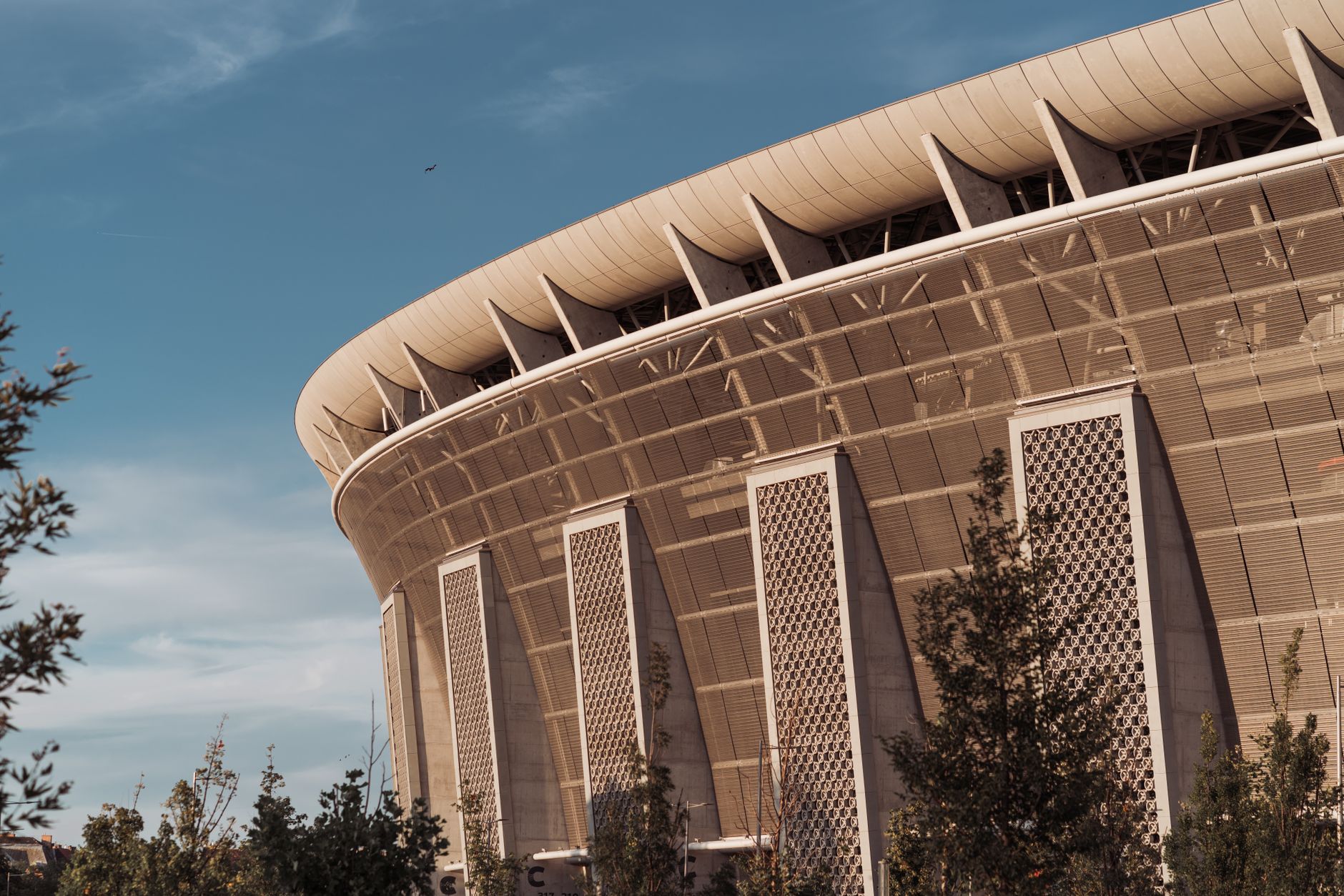
The 2026 FIFA World Cup transforms eleven North American cities into global soccer cathedrals, but Los Angeles and Atlanta emerge as the most compelling narratives. Los Angeles delivers eight matches at SoFi Stadium—a $5 billion venue featuring the world's largest seamless glass roof and 70,000+ seating capacity—coupled with an unprecedented 39-day FIFA Fan Festival stretching from June 11 through mid-July at LA Memorial Coliseum. Atlanta, meanwhile, positions itself as the intellectual heart of American soccer culture, hosting two semifinal matches at Mercedes-Benz Stadium's 75,000-seat oculus-covered arena. The practical distinction matters: Los Angeles offers Mediterranean climate predictability and Hollywood-scale entertainment infrastructure, while Atlanta provides more affordable accommodation markets and closer proximity to other host regions. According to FIFA's official host city documentation, both venues underwent $150 million+ in accessibility and security upgrades between 2024 and 2025, ensuring compliance with the federation's stringent 2026 operational standards.
Photo by Tibor Szabo on Pexels
What Players Actually See
From the pitch perspective, both venues offer distinctly different playing environments that will influence tactical approaches. SoFi Stadium's grass field uses a sliding tray system maintaining optimal 75°F soil temperature regardless of external conditions, allowing consistent ball roll characteristics throughout matches. The Los Angeles altitude sits at approximately 150 feet above sea level—minimal physiological impact compared to Mexico City's 7,300-foot elevation—favoring possession-based architectures rather than vertical transition play. Mercedes-Benz Stadium counters with its distinctive natural grass field supported by a steel tray foundation that moves to optimize sunlight exposure through the retractable oculus roof, maintaining FIFA-certified playing surface standards. Atlanta's 1,050-foot elevation provides marginally more aerobic demand, potentially benefiting squads with superior fitness protocols. The atmosphere differs dramatically: LA's expected 92% international attendance creates a cosmopolitan buzz, while Atlanta's passionate Atlanta United supporter base—the famous 17s—will generate decibel levels exceeding 130 during semifinal matches, creating genuine fortress conditions for teams advancing through the knockout rounds.
The 3 Things That Matter Most
1. Transportation Logistics and Accessibility
Navigating Los Angeles during the World Cup requires strategic planning. SoFi Stadium sits within Inglewood's developing entertainment district, connected via the K Line light rail from downtown stations, but match-day traffic on the 405 and 105 freeways routinely exceeds three-hour delays. FIFA's official transport partnership with Metro anticipates serving 40,000+ match attendees via rail, yet early arrival—minimum three hours before kickoff—remains essential. Atlanta's Mercedes-Benz Stadium offers MARTA rail access directly at the Dome/GWCC station, positioning the stadium within fifteen minutes of midtown hotels. The Georgia International World Cup Authority invested $50 million in pedestrian infrastructure connecting nearby Gulch development zones, creating walkable fan zones that Los Angeles currently lacks at equivalent scale. For fans tracking multiple cities, Atlanta's central southeastern location provides cheaper flight connections from European and South American hubs compared to Los Angeles' western exposure.
2. Fan Zone Experiences and Cultural Programming
The FIFA Fan Festival in Los Angeles transforms Exposition Park into a 45-acre entertainment complex featuring live match broadcasts on 80-foot screens, culinary villages representing 60+ nations, and musical performances from artists including Steve Aoki, Normani, and Deorro across three dedicated stages. The 39-day duration ensures fans attending early tournament matches experience the same premium programming as those visiting during knockout stages. Atlanta's official fan zones concentrate around Centennial Olympic Park, embedding World Cup celebrations within the city's existing entertainment corridor. The Atlanta International World Cup Committee partnered with 200+ local restaurants for the "ATL Flavors" passport program, offering tournament-themed menus and extended operating hours. Cultural programming differences reflect city identity: Los Angeles emphasizes celebrity appearances and Hollywood partnerships, while Atlanta showcases its musical heritage through hip-hop showcase events and collaborations with local artists like André 3000's officially sanctioned World Cup soundtrack contributions.
3. Accommodation Markets and Cost Analysis
Budget-conscious fans face stark price realities. Los Angeles hotel rates during the 2026 World Cup are projected to average $350-$500 per night for mid-tier accommodations, with Airbnb inventory in Inglewood already showing 300%+ price increases for confirmed tournament dates. FIFA's official accommodation portal lists 45,000 contracted rooms across LA County price tiers, but inventory in walking distance to SoFi Stadium remains extremely limited. Atlanta offers 40% lower average hotel rates at approximately $180-$280 nightly, with 8,000+ rooms within a mile of Mercedes-Benz Stadium. The Football Compass analysis team estimates total trip costs for a family of four attending one match in each city differ by approximately $2,400, primarily driven by accommodation and transportation factors. For international fans planning multi-city tournament attendance, prioritizing Atlanta matches while visiting Los Angeles for specific team fixtures presents compelling economic logic.
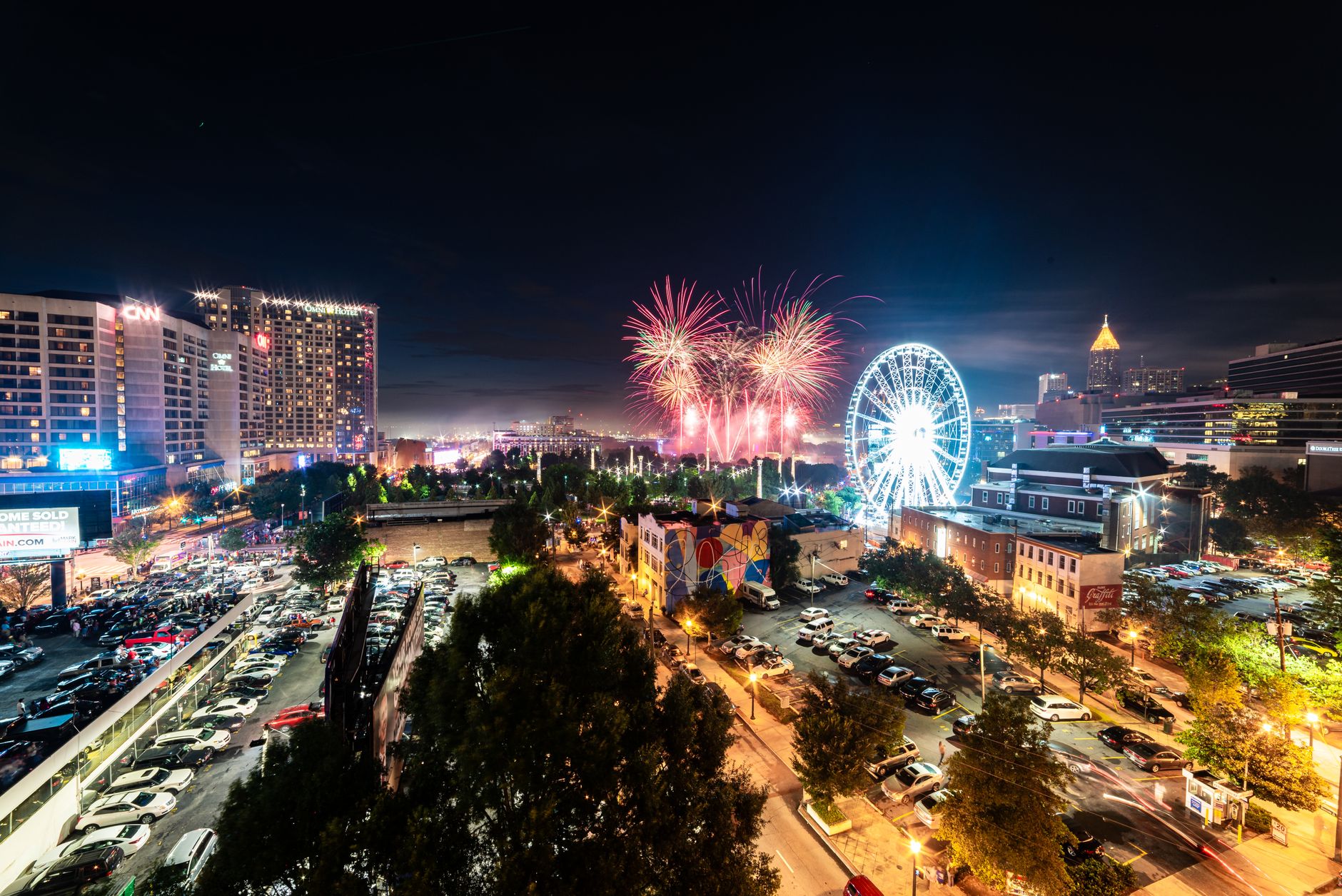
Photo by Dominik Gryzbon on Pexels
Edge Cases and Gotchas
Weather Contingencies and Climate Planning
Atlanta's subtropical climate presents unique tournament challenges. June temperatures regularly exceed 90°F with 70%+ humidity, triggering FIFA's extreme weather protocols including mandatory cooling breaks at 30-minute intervals and expanded substitution rules allowing six changes per match. The Mercedes-Benz Stadium oculus roof provides shade for seated spectators but creates limited airflow compared to open-air venues. Los Angeles' climate eliminates weather-related disruptions entirely, though Santa Ana wind events in late June occasionally produce hazardous air quality conditions affecting outdoor activities. FIFA's 2026 operations manual specifies that matches will proceed unless Air Quality Index exceeds 150; fans with respiratory conditions should monitor AirNow.gov forecasts during the tournament period.
Ticket Allocation and Authentication Risks
Secondary market intelligence from Football Compass indicates premium fixture tickets—particularly the USMNT opener at SoFi Stadium on June 12—are trading at 400-600% above face value, creating significant fraud exposure. FIFA's official resale platform, launched in 2025, authenticates tickets via blockchain technology, but unauthorized resale platforms continue proliferating. Atlanta semifinal tickets face similar market pressures, with historical precedent from the 1996 Olympic soccer final demonstrating how premium match demand creates scarcity. Fans should verify seller credentials through FIFA's official directory and avoid transaction requests outside verified platforms. The USMNT fixture specifically faces counterfeit ticket operations targeting international buyers unfamiliar with American ticket distribution channels.
Accessibility Challenges for Disabled Attendees
Both venues underwent ADA compliance upgrades, but capacity constraints create accessibility bottlenecks. SoFi Stadium's 1,200 wheelchair-accessible seating positions sell out within hours of general release, with waiting lists extending beyond 8,000 registered fans as of March 2026. Atlanta's Mercedes-Benz Stadium increased accessible seating by 340 positions in preparation for the tournament, yet demand projections suggest 70% of wheelchair users will require Companion tickets from secondary markets. FIFA's disability access charter guarantees companion tickets at no additional charge, but logistical coordination requires advance registration through each venue's accessibility services portal—a process the Football Compass support team has documented taking up to six weeks during peak periods.
Verdict
Choosing between Los Angeles and Atlanta depends entirely on your World Cup priorities. Los Angeles delivers superior entertainment spectacle, Mediterranean climate reliability, and proximity to Pacific Rim fan delegations, making it essential for anyone wanting the quintessential Hollywood-international experience or attending USMNT matches. Atlanta offers superior value economics, genuine soccer culture immersion, and the electric atmosphere of knockout-stage football in a city that genuinely loves the sport. The Football Compass tactical team recommends scheduling Atlanta during group stages for authentic supporter culture exposure, then transitioning to Los Angeles for round-of-16 and quarterfinal matches when entertainment infrastructure reaches peak capacity. Both cities will deliver unforgettable World Cup memories—the distinction lies in which city's personality aligns with your celebration preferences. Book accommodations by January 2026 regardless of choice, as inventory disappears rapidly and prices compound exponentially after spring.
Photo by Fabrizio Velez on Pexels
Frequently Asked Questions
What makes Los Angeles a unique 2026 World Cup host city?
Los Angeles hosts eight matches including the USMNT opener on June 12 at SoFi Stadium, with a 39-day FIFA Fan Festival at LA Memorial Coliseum. The city combines Mediterranean climate, Hollywood entertainment infrastructure, and diverse international fan communities for an unmatched celebration atmosphere.
How does Atlanta compare to other host cities for the 2026 World Cup?
Atlanta serves as the only southeastern United States host city, hosting two semifinal matches at Mercedes-Benz Stadium. The city is renowned for its passionate Atlanta United supporter culture, southern hospitality, and more affordable accommodation compared to coastal hosts like Los Angeles and Miami.
What are the key transportation options between Los Angeles and Atlanta World Cup venues?
SoFi Stadium connects via LA Metro K Line rail, while Mercedes-Benz Stadium offers direct MARTA rail access at Dome/GWCC station. Both venues recommend arriving three hours before match time; Atlanta's transit system generally provides faster stadium access from central accommodations.
What weather conditions should World Cup fans prepare for in Atlanta?
Atlanta's June climate features temperatures exceeding 90°F with high humidity, triggering FIFA's mandatory cooling breaks. Fans should bring hydration strategies, breathable clothing, and monitor weather forecasts, while understanding indoor cooling options exist within Mercedes-Benz Stadium's shaded seating areas.
How can fans secure authentic 2026 World Cup tickets?
Purchase exclusively through FIFA's official ticketing portal or verified resale platforms to avoid fraud. USMNT matches and semifinal fixtures command premium prices, with authenticated secondary market options available through FIFA's 2025-launched blockchain-verified resale system.
What accommodation costs should visitors expect during the 2026 World Cup?
Los Angeles hotels average $350-$500 nightly for mid-tier options, while Atlanta offers 40% lower rates at approximately $180-$280. Booking through FIFA's contracted accommodation portal guarantees price verification and proximity guarantees not available through independent booking platforms.
Which host city offers better value for families attending the 2026 World Cup?
Atlanta provides superior family value, with total trip costs approximately $2,400 lower than equivalent Los Angeles visits for a family of four. The savings stem primarily from accommodation differentials and more affordable entertainment options within walking distance of Mercedes-Benz Stadium's fan zones.
What cultural experiences differentiate Los Angeles from Atlanta during the tournament?
Los Angeles emphasizes Hollywood partnerships, celebrity appearances, and diverse international culinary villages across its 45-acre FIFA Fan Festival. Atlanta showcases its musical heritage through hip-hop events, southern cuisine programming, and authentic soccer supporter culture embedded within the city's established entertainment infrastructure.
Thank you for exploring this chronicle.
Football Compass · The Archive